Moving to the North Shore from Vancouver: A Buyer's Guide to Making the Switch
By Sasha Hahn | North Shore Buyer's Agent | sashahahn.com
Every year, hundreds of Vancouver buyers make the decision to cross the water and make the North Shore their home. Many have been considering the move for years. Some are pushed by the arrival of kids, a desire for more space, or a lifestyle shift toward outdoor recreation. Others are simply doing the math and realizing that on the North Shore, their budget goes significantly further than it does on Vancouver's West Side.
Whatever brings you here, this guide covers what to expect when you make the switch — and how to make the transition as smooth as possible.
Why Vancouver Buyers Choose the North Shore
The most common reasons Vancouver residents give for moving to the North Shore come down to four things: space, nature, schools, and relative value.
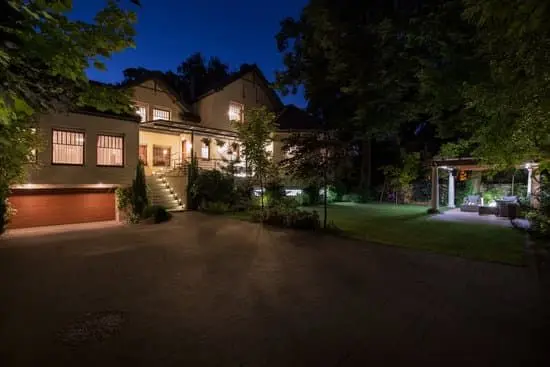
Space. For buyers who want a townhome, a detached home, or simply a larger living footprint than a Vancouver condo provides, the North Shore delivers. Detached homes in North Vancouver benchmark around $1,850,800 — comparable to (and often below) what equivalent space would cost on Vancouver's East Side, and dramatically below West Side pricing.
Nature access. From almost anywhere in North Vancouver, you're 10–20 minutes from world-class hiking, mountain biking, skiing at Grouse, Cypress, or Seymour, and waterfront walking. For buyers who moved to Vancouver partly for outdoor lifestyle and find themselves barely touching it amid city life, the North Shore delivers on that promise in a way that Vancouver proper often doesn't.
Schools. North Vancouver's public school system is consistently among the stronger districts in BC, with well-regarded secondary schools in Lynn Valley, Edgemont, and the Seymour area. Families who have been watching North Vancouver school catchments for years often make the move when their kids reach school age.
Value relative to Vancouver. A 3-bedroom townhome in North Vancouver at $1.1–$1.4M might cost $1.6–$2.2M on Vancouver's East Side and $2.5M+ on the West Side. For buyers who have equity in a Vancouver property, the North Shore often allows a meaningful upgrade in lifestyle and space for the same or lower total price.
What to Know About the Commute Before You Commit
The commute question is the first thing most Vancouver buyers want answered — and it deserves a thorough, honest answer because it will directly affect your quality of life.
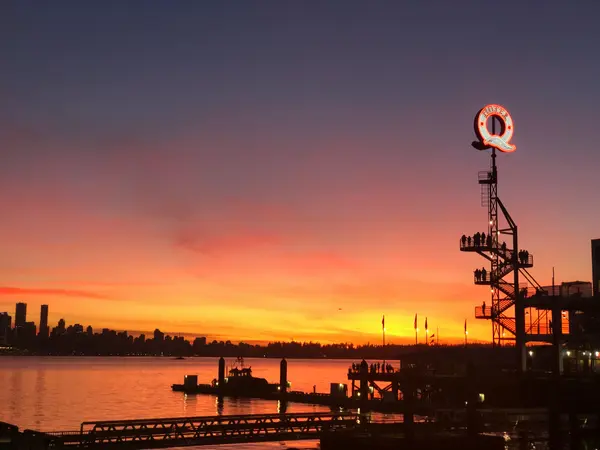
SeaBus from Lower Lonsdale: 12 minutes to Waterfront Station. This is genuinely one of the best commutes in Metro Vancouver — fast, reliable, and pleasant. If you'll be working downtown and can position yourself within a 10–15 minute walk or bus ride of the Lonsdale Quay terminal, the North Shore commute is a non-issue.
Driving via Lions Gate Bridge: Variable. In off-peak hours, the drive from Lower Lonsdale to downtown Vancouver takes 15–25 minutes. During the morning rush (roughly 7–9am), it can take 45–75 minutes. The Lions Gate is a single-point chokepoint and there is no viable bypass. If you drive to downtown Vancouver daily during peak hours, this will be a genuine quality-of-life consideration.
Driving via Second Narrows/Highway 1: Faster from East North Vancouver and the Lynnmour/Moodyville area. Also subject to peak-hour congestion, though often less severe than Lions Gate. Good option for buyers whose workplace is in East Vancouver, Burnaby, or beyond.
Hybrid and remote workers: If you're in the office 2–3 days a week or less, the commute calculus changes dramatically in the North Shore's favour. Many of Sasha's buyers in recent years have moved up specifically because hybrid work made the bridge crossing a non-issue.
The practical advice: visit your target neighbourhood during your actual commute hours before committing. Do the drive or the SeaBus ride at 8am on a Tuesday, not 11am on a Saturday. The experience will be definitive.
What Your Vancouver Budget Gets You on the North Shore
Here's a rough comparison that helps Vancouver buyers understand the value proposition:
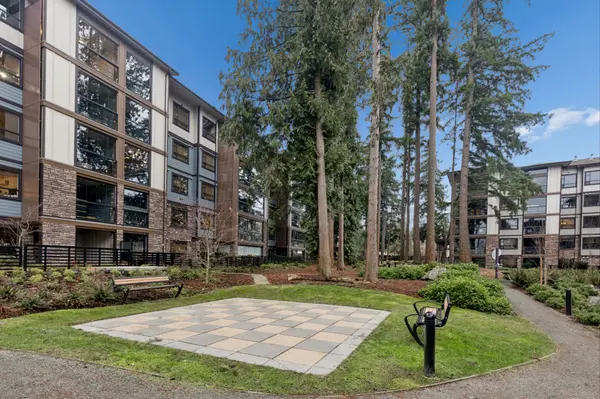
$700,000–$850,000: In Vancouver, this buys a dated 1-bedroom condo in most neighbourhoods. On the North Shore, this buys a newer 1–2 bedroom condo in Lower Lonsdale or Central Lonsdale with better finishes and, often, mountain or water views.
$950,000–$1,200,000: In Vancouver, a small 2-bedroom condo in East Van or a dated townhome on the outskirts. On the North Shore, a solid 2-bedroom condo or a smaller townhome in Lynn Valley, Capilano, or Central Lonsdale.
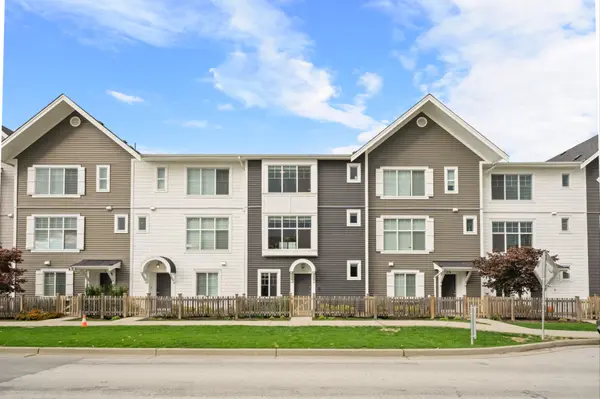
$1,300,000–$1,600,000: In Vancouver, an older East Side townhome or a very small detached on a shared lot. On the North Shore, a newer 3-bedroom townhome in a well-run strata, or an entry-level detached in areas like Norgate, Lower Lynn, or Moodyville.
$1,800,000–$2,200,000: In Vancouver, a modest East Side detached. On the North Shore, a comfortable detached home in Lynn Valley, Capilano, or mid-slope North Vancouver with yard, mountain views, and strong school catchments.
The value gap is most pronounced for families who need 3+ bedrooms and yard space. At that tier, the North Shore consistently offers more home for less money than comparable Vancouver addresses.
North Shore Neighbourhoods for Former Vancouver Residents
Where you land on the North Shore often depends on the Vancouver neighbourhood you're coming from and the lifestyle you're building toward.
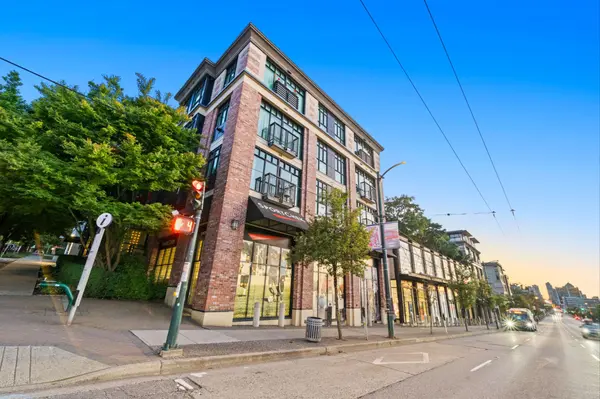
Coming from Yaletown, Coal Harbour, or the West End? Lower Lonsdale will feel most familiar — walkable, vibrant, transit-connected, with restaurants and coffee shops at street level. The SeaBus connection keeps you close to downtown.
Coming from Mount Pleasant, Main Street, or Commercial Drive? The mid-Lonsdale corridor, Moodyville, or the Central Lonsdale/Queensbury area offer a similar indie-neighbourhood energy with good local food and community.
Coming from Kitsilano or Point Grey? Lynn Valley, Edgemont, or Upper Capilano offer the family-friendly, outdoor-adjacent lifestyle with strong schools that attracts many West Side buyers when it's time to upsize.
Coming from East Vancouver with a growing family? Lynn Valley and the Deep Cove/Seymour area offer space, trails, and a community feel that's hard to replicate in a city neighbourhood at any price.
The Practical Side of Moving to the North Shore
A few practicalities worth knowing before you make the move:
North Shore grocery and retail access has improved substantially. Lower Lonsdale, Central Lonsdale, and Lynn Valley Village all have strong retail bases including major grocery chains, medical services, and independent shops. You won't miss shopping in Vancouver for everyday needs.
You will likely need a car. With the exception of the Lower and Central Lonsdale corridor, the North Shore is not a car-free lifestyle. If you currently live car-free in Vancouver, budget for vehicle ownership and its costs when you model the total cost of North Shore living.
BC property transfer tax applies. Moving from a rental to your first owned property on the North Shore means paying PTT — 1% on the first $200,000 and 2% on the balance (with first-time buyer exemptions available). Budget for this at closing.
Sasha Hahn has helped dozens of Vancouver buyers make the move to the North Shore over the past 8 years. She knows which neighbourhoods fit which lifestyles and which buildings represent the best value at each price point. Visit sashahahn.com to start the conversation.
FAQ
Is it worth moving from Vancouver to North Vancouver? For most buyers seeking more space, outdoor access, and relatively better value, yes. The North Shore delivers a meaningfully different lifestyle — more nature, more community, often more home for your dollar — at the cost of a bridge crossing for downtown commuters.
How long does it take to commute from North Vancouver to downtown Vancouver? By SeaBus from Lower Lonsdale: 12 minutes to Waterfront. By car via Lions Gate in peak hours: 45–75 minutes. Hybrid workers and SeaBus commuters find the journey manageable. Daily peak-hour drivers should test the route before committing.
Is North Vancouver more family-friendly than Vancouver? Many families find it is. The combination of outdoor access, lower density, strong school catchments, and more space per dollar makes the North Shore a popular destination for families moving out of Vancouver apartments and condos.
Can I afford to buy on the North Shore if I currently own in Vancouver? If you own in Vancouver and have equity to bring to the purchase, the North Shore often offers a meaningful upgrade in lifestyle and space. The value gap is most pronounced for buyers seeking detached homes and 3+ bedroom townhomes.
Categories
Recent Posts