Title: Mastering the Move-Up: How to Navigate Vancouver's Trade-Up Strategy
Title: Mastering the Move-Up: How to Navigate Vancouver's Trade-Up Strategy
If you’ve been contemplating a move for months, or perhaps even longer, you might find yourself in a two-bedroom condo where the second bedroom serves triple duty as a home office, nursery, and storage space. The struggle of fitting strollers into elevators further confirms that you’ve outgrown your current space, despite your love for the neighborhood and its walkability. The real question isn’t whether you should move, but rather, how can you do so without making a costly mistake?
In this guide, I'm going to walk you through what the trade-up process looks like in Vancouver today. I'll cover the math, timing, and a common decision that many couples tend to get wrong. You'll learn how to make this transition with your eyes wide open. I’m Sasha Hahn, and I specialize in helping Vancouver condo and townhome owners move up to detached homes without overpaying, underselling, or losing their sanity. Let’s delve into it.
A Necessary Note Before We Begin
Couples often reach out, finding themselves exactly where you are now—after countless mental calculations and midnight browsing on realtor.ca. If this sounds familiar, and you'd like someone to run the actual numbers with you, there's a link in the description to book a call.
Understanding the Trade-Up Math
Many don’t realize that selling a condo and buying a house are not two separate decisions, but one interconnected move. The way you sequence these events, price them, and finance the gap between them can determine whether this move benefits you or results in costly mistakes.
Example to Consider
Suppose your Mount Pleasant condo is valued at $900,000 after accounting for commissions, legal fees, staging, and minor prep work. You would net around $855,000. If you have a $400,000 mortgage, this leaves you with approximately $440,000 to $455,000 in equity.
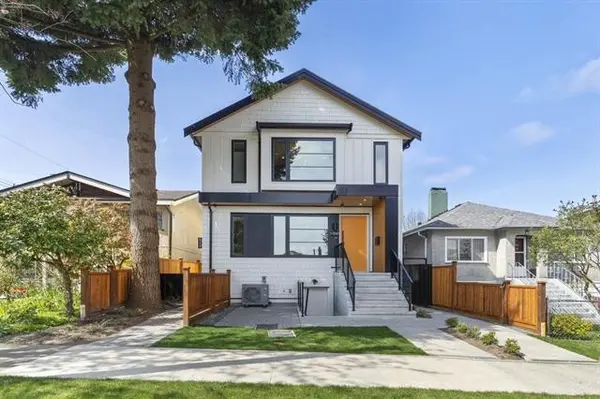
Now, if you aim to purchase a detached home in East Van or Burnaby priced between $1.7 and $1.9 million, your equity serves as a down payment. This results in a new mortgage ranging from $1.25 to $1.45 million. At current interest rates, it’s crucial to stress-test your carrying cost before committing, not afterwards.
Many couples run this math loosely or rely on a lender's borrowing capacity estimate without thoroughly considering what they can comfortably afford. This is one of the first issues we tackle during a move-up strategy call.
Should You Sell First or Buy First?
This is our most frequently asked question, and the honest answer is it depends. However, most people should strongly consider selling first, especially in the current market.
The Logic Behind Selling First
In Vancouver’s detached market, conditions can shift rapidly. Without a firm sale on your condo, buying first exposes you to risks such as potentially owning two properties simultaneously or feeling pressured to accept a lower offer on your condo due to an existing purchase commitment. Selling first offers more certainty. You'll know your exact proceeds and down payment, allowing you to negotiate from a stronger position.
Although selling first may require bridge financing if your condo closes before your new home does, it's typically a manageable cost of a few thousand dollars rather than tens of thousands.
Common Mistakes in Condo Preparation
Two mistakes surface consistently. The first is over-preparation—spending $30,000 on a kitchen renovation for prospective buyers who intend to remodel anyway. The second is under-preparation—foregoing $4,000 in paint and staging that could increase the final sale price by $20,000 to $30,000.
The Solution: Strategic Preparation
This involves a pre-list walkthrough, an unbiased assessment of what truly matters to buyers in your building, and a budget aligned with expected returns. Generally, this includes fresh, neutral paint, professional staging and cleaning, decluttering, and addressing issues that could emerge during an inspection or unsettle buyers. Cosmetic issues might be acceptable, but structural or mechanical problems must be resolved or disclosed and priced accordingly.
Ensure your condo documents are complete and organized, including depreciation reports, strata financials, and special levy history. Buyers are sophisticated, and surprises in the documents can jeopardize a deal, so tackle potential issues upfront. The estimated timeline involves preparation and listing within four to six weeks, coupled with one to three weeks on the market to secure an offer. Condo closing typically follows 30 to 60 days post-offer, providing you with proceeds and certainty, from which point you become an active buyer. Depending on conditions, finding and securing a property may take two to three weeks or months. If needed, your lender will arrange bridge financing.
Final Considerations
Typically, the timeline from serious decision-making to keys in hand spans four to six months if everything advances at a normal pace. Though longer than most anticipate, a well-planned process is less daunting than feared.
If you found this useful, check out our next video on accurate condo pricing in Vancouver to avoid leaving real money on the table. We'll explain how a custom market assessment contradicts misleading online comps. The video link is right here below. If ready, book a call to assess your personal numbers, condo value, and target price range through the description link. Chat soon!
Categories
Recent Posts