Is Now a Good Time to Buy on the North Shore? A 2026 Market Reality Check
By Sasha Hahn | North Shore Buyer's Agent | sashahahn.com
For buyers sitting on the sidelines, the question isn't just "what's the market doing?" — it's "what does the market mean for me, right now?" The North Shore in early 2026 offers a genuinely compelling case for buyers who are financially ready. Here's an honest, data-driven look at where the market stands and what it means if you're considering a purchase this year.
Where the North Shore Market Stands Right Now
The North Shore housing market began 2026 much as 2025 ended: measured, selective, and showing little momentum toward a competitive seller's market. Both North Vancouver and West Vancouver are in buyer's market territory across most property types, with conditions continuing to favour choice and negotiation over urgency.
In January 2026, the sales-to-active-listings ratio across all property types in West Vancouver sat at just 5.2% — well below the 12–20% range that typically indicates balanced conditions. North Vancouver's ratio was 13.3% for all property types, also indicating buyer-friendly conditions across the board. For context, a ratio below 12% is generally considered a buyer's market. For detached homes in West Vancouver specifically, the ratio was an even lower 3.7% — meaning sellers of luxury homes face significant competition from other listings.
Benchmark prices in North Vancouver as of early 2026: detached homes around $1,850,800, townhomes approximately $1,043,400, and condos approximately $704,600. These figures represent meaningful decreases from the 2022 peak — metro-wide condo benchmarks are down roughly 11% year-over-year, and detached home values have eased as well. The softening in assessed values (BC Assessment reported typical strata values in North Vancouver down about 2% on the 2026 roll) confirms that this isn't a short-term data blip.
Why Buyers Have the Advantage Right Now
Several forces have aligned to create a genuine buyer's window on the North Shore.
Inventory is elevated. Active listings across the North Shore remain above 10-year averages, giving buyers more choice than they've had in years. In North Vancouver, house listings were up 17.3% year-over-year in mid-2025. With more supply in the market, sellers can't rely on scarcity to justify aggressive pricing.
Mortgage rates have eased. The Bank of Canada implemented significant rate cuts throughout 2025, bringing the policy rate down by nearly one full percentage point over the year. Today's lowest five-year variable rate in Vancouver is around 3.54% — a significant improvement from the peak rates of late 2022 and 2023. Every rate cut improves affordability and expands what buyers can qualify for.
Sellers are more negotiable. In a market with high inventory and soft demand, sellers who need to move are pricing more realistically and accepting conditions — inspections, financing subjects, and longer completions — that would have been near-impossible to negotiate two years ago. This is the practical reality on the ground for active buyers right now.
Prices have already adjusted. Metro Vancouver's composite benchmark price ended December 2025 at $1,114,800, down 4.5% year-over-year. Condo prices specifically were down approximately 11% year-over-year. Buyers who waited out the peak are genuinely getting more property for their dollar today than at any point since 2019.
The Case for Waiting (And Why It's Weaker Than It Looks)
There are genuine reasons a buyer might choose to wait: uncertainty about their employment, not yet having saved enough for a down payment, or simply not having found the right property yet. Those are all valid.
But the broader argument for "waiting until the market drops more" is weaker than it appears — for several reasons.
First, the North Shore has structural supply constraints that don't disappear. Mountains, ocean, and park boundaries limit what can be built. Long-term demand from people wanting to live in one of the most livable regions in North America hasn't gone away. A "crash" scenario requires a fundamental shift in those dynamics that isn't evident in the data.
Second, if rate cuts continue to flow through the economy in 2026, buyer demand could return faster than supply increases — narrowing the current buyer's window. The Canadian Real Estate Association forecasts national home sales rising 7.7% in 2026 to approximately 509,000 units — the busiest year since 2021. If that volume materializes in Metro Vancouver, competition will return.
Third, timing the market perfectly is nearly impossible in practice. The buyers who entered the market in 2019 — before the pandemic boom — did well not because they called the market, but because they bought a home they could hold comfortably and stayed in it.
What Type of Property Makes the Most Sense Right Now?
Not all North Shore properties are equal buys in the current environment.
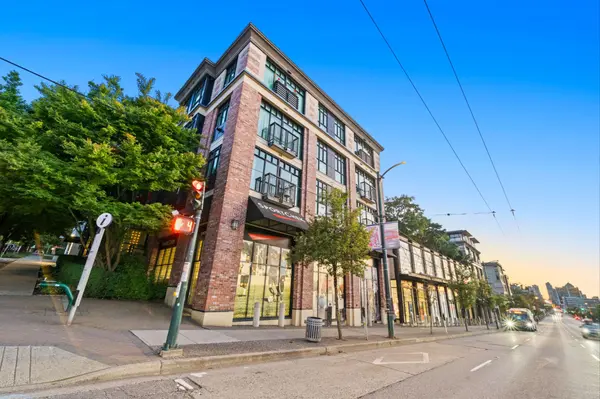
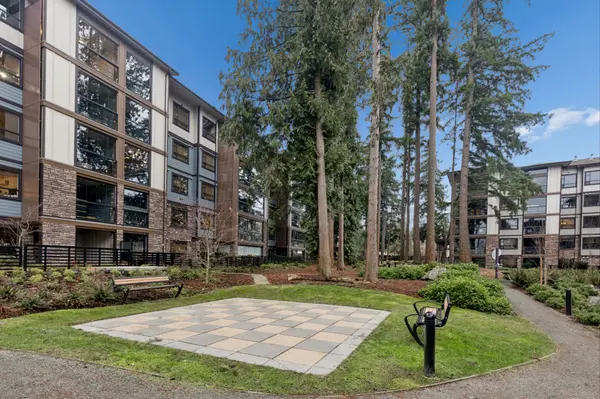
Condos offer the best buyer leverage right now. Inventory is elevated, prices have adjusted the most, and sellers are negotiable on both price and terms. For first-time buyers and investors, condos in North Vancouver — particularly in Lower Lonsdale and Central Lonsdale — represent some of the best relative value on the Shore in years.
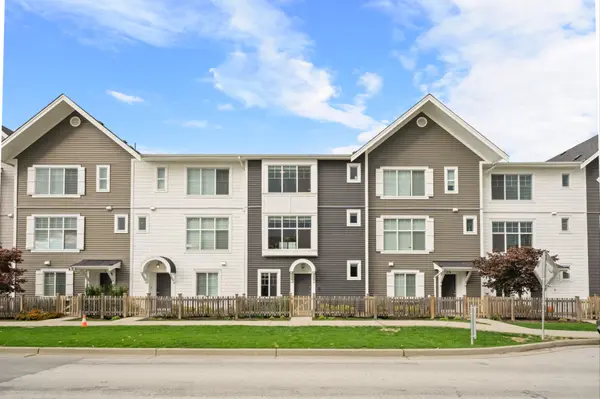
Townhomes are the sweet spot for buyers who want more space without a detached price tag. The benchmark of $1,043,400 in North Van is meaningfully below what a comparable size in a detached home would cost, and inventory has improved.
Detached homes require more patience and precision. While conditions have softened, well-located detached homes in Lynn Valley, Edgemont, and Capilano still attract genuine competition. Buyers looking here should be ready to move when the right property appears — overpriced listings will sit, but correctly priced homes in great catchment areas still sell.
The Bottom Line for 2026 Buyers
For buyers who are financially ready — pre-approved, down payment saved, and clear on their criteria — early 2026 is one of the most favourable entry points on the North Shore in several years. Elevated inventory, easing mortgage rates, and negotiable sellers create a combination that doesn't exist in a strong seller's market.
That window may not stay open indefinitely. If interest rate cuts continue to improve affordability and suppressed demand re-enters the market, today's buyer-friendly conditions could shift. Buyers who act with preparation and conviction this year are likely to look back on the decision favorably.
Ready to take a closer look? Sasha Hahn is a North Shore buyer's agent ranked in the top 10% of the Greater Vancouver Realtors board. Visit sashahahn.com to start the conversation.
FAQ
Is North Vancouver a buyer's market in 2026? Yes. The sales-to-active-listings ratio across North Vancouver sits at 13.3% for all property types, with condos and townhomes firmly in buyer's market territory. Sellers are facing more competition from other listings than at any point since before the pandemic.
Have North Shore home prices dropped? Yes, meaningfully from the 2022 peak. Metro-wide condo prices are down approximately 11% year-over-year, and detached benchmarks have eased as well. BC Assessment's 2026 roll reflected typical strata values in North Vancouver down about 2% from the prior year.
Will North Shore real estate prices drop further in 2026? That depends on how quickly suppressed buyer demand re-enters the market as mortgage rates ease. If the Bank of Canada continues cutting rates and consumer confidence improves, prices are more likely to stabilize or edge upward than to drop significantly further. Most forecasters expect a gradual market recovery in 2026, not a continued decline.
What's the best property type to buy on the North Shore right now? Condos and townhomes in North Vancouver offer the best buyer leverage in the current market. Inventory is elevated, prices have adjusted, and sellers are more willing to negotiate on both price and conditions than they've been in years.
Should I wait for rates to drop more before buying? If you're financially ready, waiting for the perfect rate environment often costs more than it saves. Rate drops tend to stimulate demand and push prices up — meaning any savings on borrowing costs can be offset by higher purchase prices. Buying now at a slightly higher rate with more negotiating power and more choice is often the better financial outcome.
Categories
Recent Posts